Petroleum Tank Farm Storage: Uses and Containment Basics
Petroleum tank farms are important facilities within the oil and gas industry. They provide the infrastructure required for storing, handling, and distributing crude oil and refined petroleum products before they are transported to refineries, distribution terminals, industrial facilities, and end users.
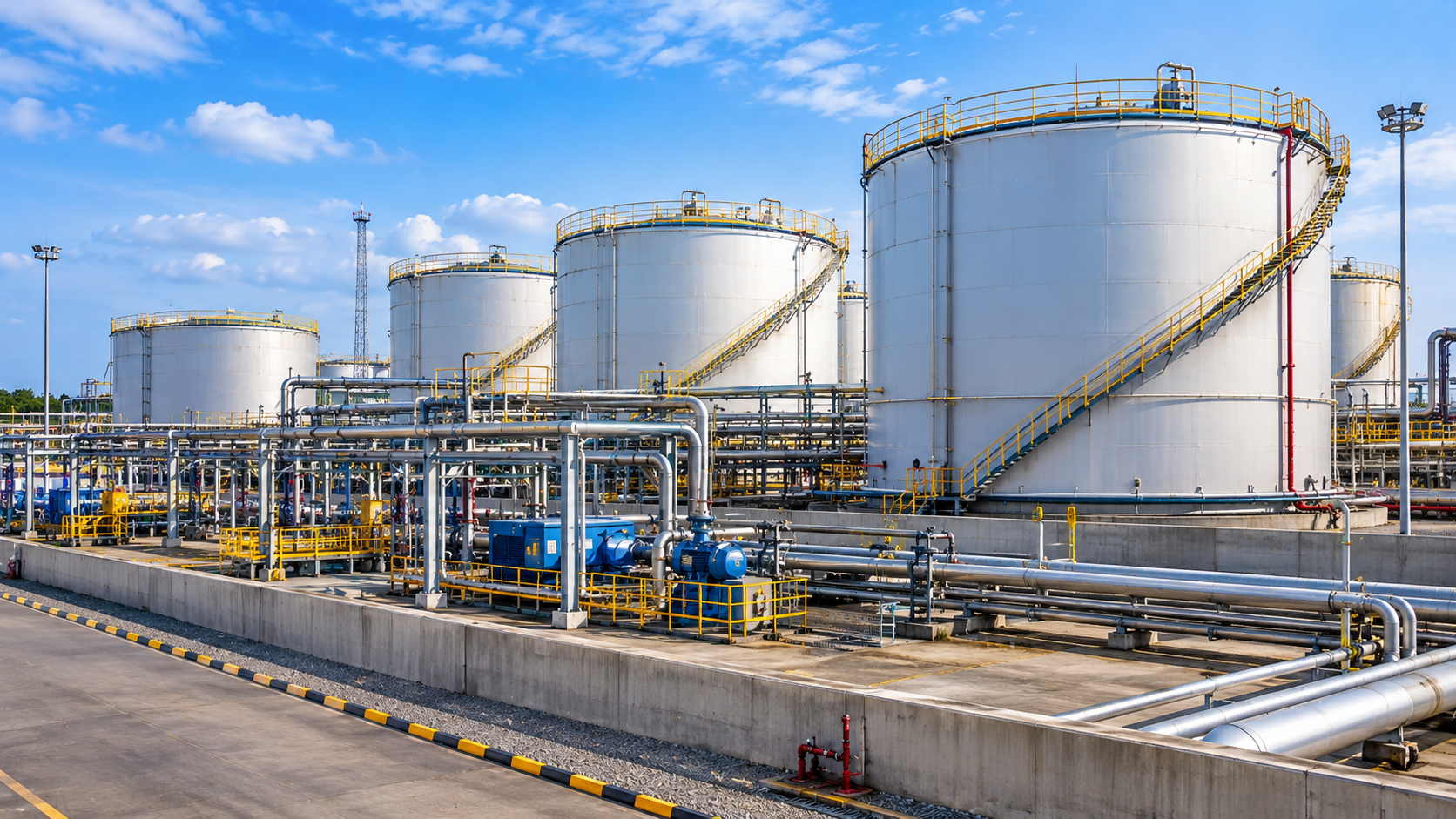
These facilities typically consist of large storage tanks, pipelines, pumping systems, loading facilities, and supporting safety equipment.
However, storing petroleum products requires proper planning and safety measures to prevent leaks, spills, fires, and environmental contamination. One of the most important aspects of tank farm design and operation is the use of effective containment systems.
This article explains the main uses of petroleum tank farms, their storage facilities, and the basic principles of secondary containment.
What is a Petroleum Tank Farm?
A petroleum tank farm is an industrial facility designed to store large quantities of crude oil, petroleum products, and other liquid hydrocarbons.
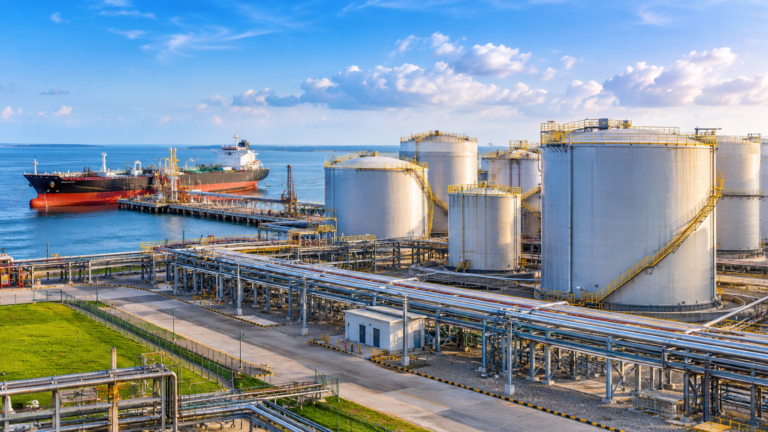
Tank farms are commonly located near refineries, ports, pipeline networks, and major distribution centres to support the efficient movement of petroleum products.
Depending on their purpose, they may store products such as:
- Crude oil.
- Premium Motor Spirit (PMS) or gasoline.
- Automotive Gas Oil (AGO) or diesel.
- Kerosene.
- Aviation fuel.
- Fuel oil and other petroleum products.
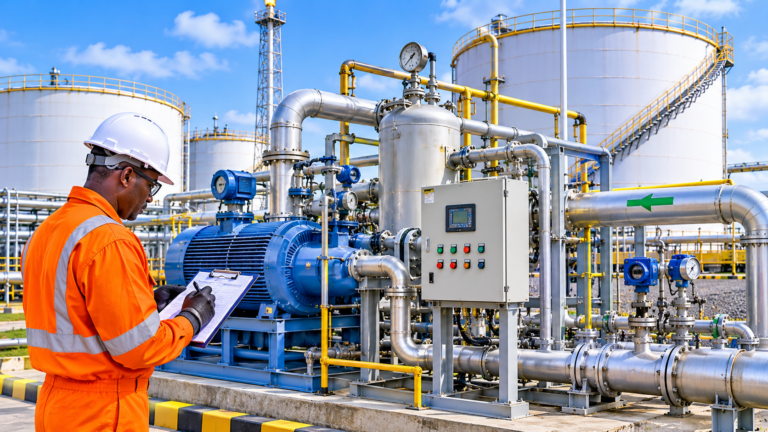
The storage tanks are connected to pipelines and pumping systems that allow products to be received, transferred, and distributed safely.
Main Uses of Petroleum Tank Farm Storage
Petroleum tank farms perform several important functions within the oil and gas supply chain.
1. Bulk Petroleum Storage
One of the primary uses of a tank farm is to provide storage for large volumes of petroleum products.
This allows suppliers and distributors to maintain sufficient inventory before products are transported to customers or other facilities.
2. Supporting Refinery Operations
Refineries require adequate storage facilities for crude oil, intermediate products, and finished petroleum products.
Tank farms provide the necessary storage flexibility to support refinery operations and accommodate differences between production and product dispatch schedules.
3. Supporting Import and Export Activities
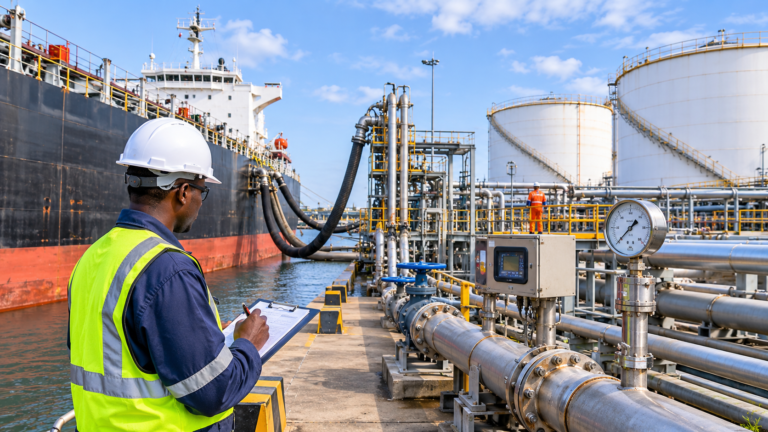
Petroleum tank farms located near marine terminals provide facilities for receiving and storing products transported by vessels.
They also support export operations by holding petroleum products before they are loaded onto ships for international transportation.
4. Product Distribution
Tank farms serve as distribution points for supplying petroleum products to different markets.
Products can be transferred from storage tanks into road tankers, pipelines, rail tankers, and other transportation systems for onward delivery.
5. Managing Supply and Demand
Petroleum demand can fluctuate due to market conditions, seasonal consumption, and changes in industrial activities.
Storage facilities allow operators to maintain product inventory during periods of low demand and release products when market requirements increase.
What is Secondary Containment in Petroleum Tank Farms?
Secondary containment refers to a protective system designed to collect and prevent the spread of petroleum products in the event of a leak, spill, or storage tank failure.
While the storage tank serves as the primary containment system, secondary containment provides an additional layer of protection against accidental product releases.
This is particularly important because petroleum spills can contaminate soil, groundwater, and nearby water bodies.
Common secondary containment systems include:
- Bund Walls: Protective walls constructed around storage tanks to contain accidental spills.
- Earth Dykes: Raised earth barriers designed to prevent spilled petroleum products from spreading beyond the designated storage area.
- Concrete Containment Areas: Impermeable concrete structures used to collect and retain leaked products.
- Double-Walled Tanks: Storage tanks designed with an additional outer wall to provide protection against leakage.
- Containment Liners: Specialised impermeable materials installed beneath or around storage areas to reduce the risk of petroleum products entering the soil.
The appropriate containment arrangement depends on tank design, site conditions, the products being stored, and applicable safety and environmental regulations.
Basic Requirements for Effective Tank Farm Containment
Proper containment design is essential for protecting petroleum storage facilities and the surrounding environment.
Some important considerations include:
1. Adequate Containment Capacity
Containment structures must be designed to accommodate the potential release of stored products in accordance with applicable regulations and engineering standards.
The design should also consider rainfall, firewater, and other relevant site conditions.
2. Impermeable Containment Surfaces
Containment floors and walls should be constructed using suitable materials that prevent petroleum products from seeping into the surrounding soil.
Regular inspections are necessary to identify cracks, damaged liners, and other defects.
3. Proper Drainage Management
Rainwater can accumulate within bunded areas, particularly in outdoor tank farms.
Drainage systems should be properly managed to prevent overflow while ensuring that potentially contaminated water is collected and handled appropriately.
4. Tank Inspection and Maintenance
Storage tanks, pipelines, valves, and associated equipment should be inspected regularly for corrosion, leakage, and mechanical damage.
Preventive maintenance helps identify potential problems before they develop into serious operational incidents.
5. Fire Protection and Emergency Preparedness
Petroleum products present fire and explosion hazards, making appropriate fire protection systems essential.
Tank farms should have suitable firefighting equipment, emergency response procedures, warning systems, and trained personnel.
Common Challenges in Petroleum Tank Farm Operations
Despite their importance, petroleum tank farms face several operational and safety challenges.
Some common examples include:
- Tank Leakage: Corrosion and structural deterioration can result in product leakage.
- Overfilling: Inadequate monitoring during product receipt can cause tank overflow.
- Fire Hazards: Improper handling of petroleum products and ignition sources can lead to serious fires.
- Environmental Contamination: Poor containment arrangements can allow spilled products to reach surrounding soil and water.
- Equipment Failure: Pump, pipeline, and valve problems can interrupt product transfer operations.
- Poor Maintenance: Inadequate inspection and maintenance can increase operational risks and repair costs.
Addressing these challenges requires proper facility design, effective operational procedures, and continuous safety monitoring.
Best Practices for Safe Petroleum Tank Farm Management
To maintain safe and efficient tank farm operations, operators should adopt the following practices:
- Conduct regular inspections of storage tanks and containment structures.
- Install suitable tank-level monitoring and overfill protection systems.
- Maintain effective fire protection and emergency response arrangements.
- Ensure that drainage systems do not allow uncontrolled discharge of contaminated water.
- Carry out routine pipeline, pump, and valve maintenance.
- Provide adequate staff training on petroleum handling and spill response.
- Maintain accurate records of tank inspections, product movements, and maintenance activities.
These measures help reduce operational risks, protect the environment, and improve the reliability of petroleum storage facilities.
Conclusion
Petroleum tank farms are essential infrastructure within the oil and gas industry. They provide the storage, handling, and distribution facilities required to support refinery operations, petroleum trading, import and export activities, and product supply chains.
However, effective tank farm management requires more than adequate storage capacity. Proper secondary containment, regular equipment inspection, fire protection, and environmental management are equally important.
By implementing appropriate containment systems and maintaining effective operational procedures, petroleum storage operators can minimise the risk of leaks and spills, protect surrounding environments, and ensure safer and more reliable tank farm operations.