Preventing Vapor Recovery Unit Failure Across Fuel Storage Terminals: Essential Maintenance and Operational Practices
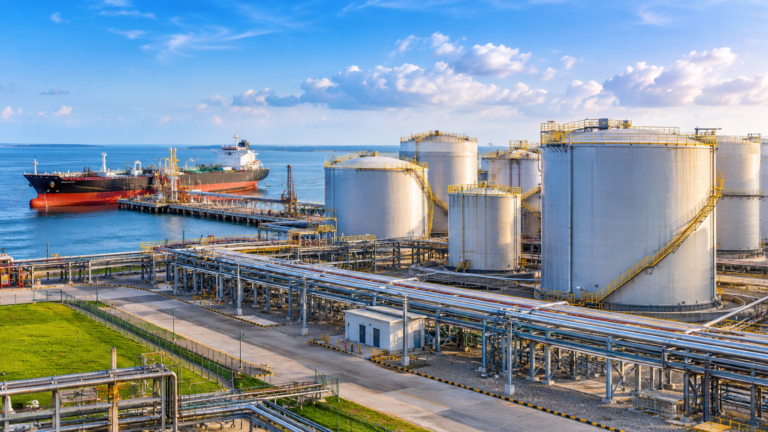
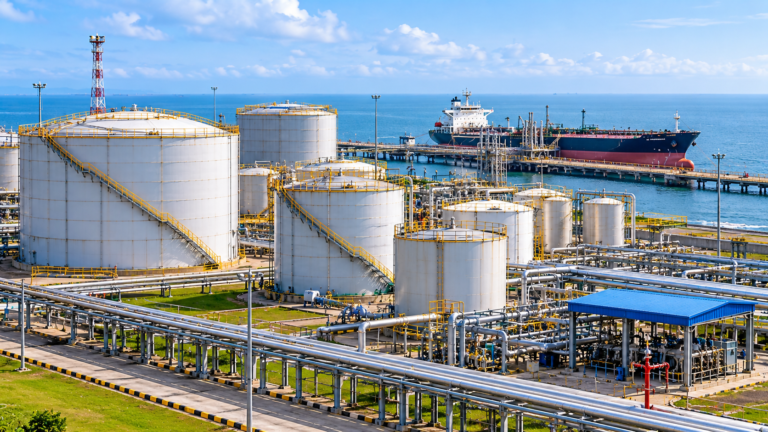
Fuel storage terminals play an essential role in the global energy supply chain. From receiving petroleum products at major ports to storing and distributing refined fuels, terminal operators must maintain reliable infrastructure that supports operational efficiency, environmental protection and workplace safety.
One important component of modern fuel storage infrastructure is the Vapor Recovery Unit (VRU). These systems capture hydrocarbon vapours released during fuel storage, tank breathing and product transfer operations, helping to minimise atmospheric emissions while recovering valuable hydrocarbon products.
However, like other industrial equipment, vapor recovery units are susceptible to mechanical wear, operational faults and environmental conditions that can affect their performance.
For companies involved in international petroleum storage, shipping and logistics, preventing VRU failure requires a proactive approach to inspection, maintenance and operational management.
At GR Logistics & Consulting PTE. LTD, we recognise the importance of operational reliability, environmental responsibility and safety throughout the petroleum supply chain. Understanding how critical terminal equipment operates and how its performance can be maintained is essential to supporting dependable storage and logistics operations.
1. Understanding the Importance of Vapor Recovery Units in Fuel Storage
Vapor Recovery Units are designed to capture and process hydrocarbon vapours that would otherwise escape into the atmosphere during petroleum storage and handling.
These vapours commonly originate from:
- Fuel tank filling and emptying operations.
- Temperature-related pressure changes inside storage tanks.
- Loading and unloading petroleum products.
- Vapour displacement during tanker and vessel transfers.
- Evaporation of volatile petroleum products.
A properly functioning VRU helps reduce volatile organic compound (VOC) emissions, recover commercially valuable hydrocarbons and improve environmental performance.
For international petroleum storage operators, maintaining these systems is particularly important because environmental regulations and emissions-control requirements differ across operating jurisdictions.
Failure to maintain a VRU can result in increased emissions, product losses, operational interruptions and potential regulatory consequences.
2. Common Causes of Vapor Recovery Unit Failure
Understanding the factors responsible for VRU failure is the first step towards preventing unexpected equipment breakdowns.
Several operational and environmental conditions can contribute to system deterioration.
Mechanical Wear and Equipment Deterioration
Vapor recovery systems contain compressors, pumps, motors, valves, filters and other mechanical components that experience continuous operational stress.
Over time, bearings may deteriorate, seals may become damaged and compressor components may lose efficiency.
Without routine inspection and timely replacement of worn components, minor mechanical problems can develop into major equipment failures.
Blocked Filters and Restricted Pipelines
Dust, moisture, hydrocarbons and other contaminants can accumulate within filters and pipeline connections.
These obstructions restrict vapour movement, increase pressure differentials and place additional strain on compressors.
Regular filter inspection and cleaning are therefore essential for maintaining effective system performance.
Corrosion and Environmental Exposure
Environmental conditions can significantly influence the lifespan of vapor recovery equipment.
For example, terminals operating around Singapore and other tropical maritime locations may experience high humidity, elevated temperatures and salt-laden air.
These conditions can accelerate corrosion, damage electrical connections and affect exposed mechanical components.
In European locations such as the United Kingdom and the Netherlands, seasonal temperature fluctuations, moisture and coastal exposure also require careful consideration.
Protective coatings, appropriate equipment materials and regular corrosion inspections can help minimise these risks.
Poor Maintenance Practices
Inadequate preventive maintenance is another common contributor to VRU failure.
When operators rely exclusively on corrective maintenance, equipment problems may remain undetected until the system experiences an unexpected shutdown.
A structured maintenance programme helps identify developing faults before they affect terminal operations.
3. Implement a Proactive Preventive Maintenance Programme
Preventive maintenance is one of the most effective ways to minimise vapor recovery unit downtime.
Rather than waiting for equipment to fail, terminal operators should establish inspection and servicing schedules based on manufacturer recommendations, operating conditions and equipment criticality.
A comprehensive programme should include:
Routine mechanical inspections
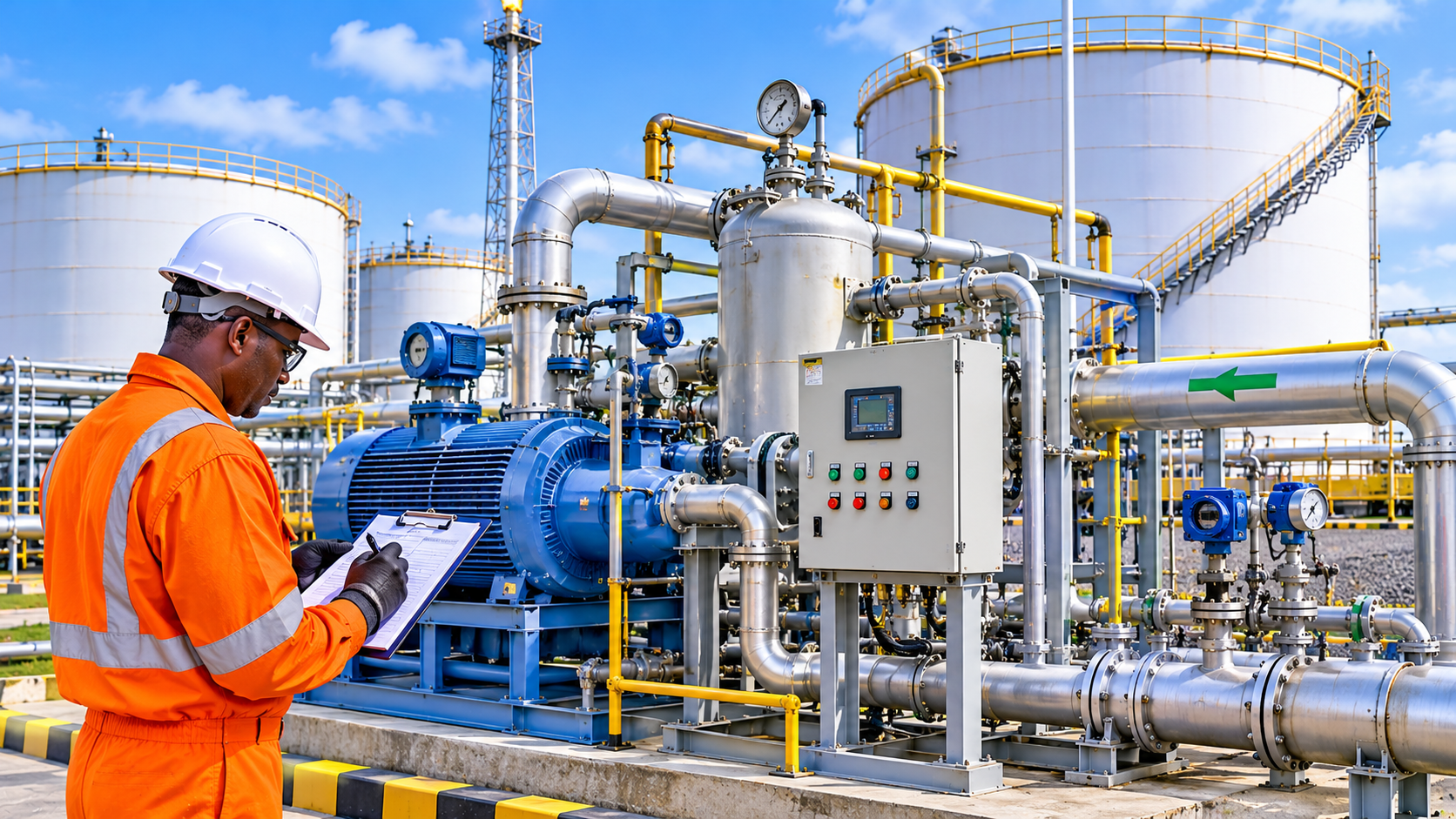
Inspect compressors, motors, pumps, couplings and associated components for unusual vibration, overheating, leaks and abnormal noise.
Lubrication management
Ensure that moving components receive the correct lubricants at manufacturer-recommended intervals. Contaminated or degraded lubricants should be replaced promptly.
Filter maintenance
Inspect and replace filters according to operating conditions and manufacturer specifications to prevent restrictions in vapour flow.
Seal and valve inspections
Check valves, gaskets and seals for deterioration, leakage or incorrect operation.
Electrical system inspections
Examine electrical connections, control panels, instrumentation and protective devices to ensure reliable operation.
Documenting inspection findings and maintenance activities also allows operators to identify recurring equipment problems and improve maintenance planning.
4. Monitor Operating Conditions and System Performance
Modern vapor recovery systems depend on accurate monitoring to maintain safe and efficient operation.
Monitoring critical operating parameters helps identify performance changes that may indicate developing equipment problems.
Important parameters include:
- Operating pressure and vacuum levels.
- Compressor discharge temperature.
- Motor current and electrical consumption.
- Vibration levels.
- Vapour flow rates.
- Filter differential pressure.
- Hydrocarbon recovery performance.
Automated monitoring systems can provide early warnings when operating conditions move outside established limits.
For terminals handling different petroleum products, monitoring should also account for variations in vapour composition and operating requirements.
By reviewing equipment data regularly, operators can identify unusual performance trends and arrange corrective maintenance before a minor fault becomes a major operational disruption.
5. Address Corrosion and Climate-Related Challenges Across International Terminals
Fuel storage facilities operate in different geographical and climatic environments. Consequently, maintenance strategies should reflect the specific environmental conditions affecting each terminal.
For example, Singapore’s tropical maritime climate creates particular challenges associated with humidity, rainfall and salt exposure.
These conditions can affect:
- External equipment coatings.
- Electrical enclosures and connections.
- Compressor housings.
- Pipeline supports and connections.
- Exposed instrumentation.
Meanwhile, terminals in the United Kingdom and the Netherlands may experience colder seasonal conditions, temperature fluctuations and persistent moisture.
These factors can influence equipment performance, particularly where condensation, moisture ingress or inadequate insulation becomes an issue.
Operators should therefore implement location-specific inspection schedules, corrosion protection measures and environmental controls.
A standard maintenance programme should not automatically be applied identically across every international terminal.
6. Maintain Proper Vapour Pipeline Integrity
The performance of a vapor recovery unit depends not only on the equipment itself but also on the condition of the connected pipelines.
Damaged pipelines, leaking connections, blocked sections and improperly functioning valves can reduce recovery efficiency.
Routine pipeline integrity inspections should examine:
- Flanges and connection points.
- Pipeline supports and expansion joints.
- Isolation and control valves.
- Pressure monitoring equipment.
- Corrosion-prone pipeline sections.
- Potential vapour leakage points.
Where appropriate, operators should implement leak detection and repair programmes to identify and address vapour losses.
Pipeline integrity management is particularly important at large petroleum terminals where multiple storage tanks, loading facilities and transfer systems are interconnected.
7. Train Personnel in Proper VRU Operation and Emergency Procedures
Even well-maintained equipment can experience operational problems when personnel lack adequate training.
Terminal operators, maintenance engineers and technical personnel should understand the correct operating procedures for vapor recovery systems.
Training should cover:
- Normal startup and shutdown procedures.
- Identification of abnormal operating conditions.
- Alarm interpretation and response.
- Emergency isolation procedures.
- Safe maintenance practices.
- Reporting equipment defects.
- Environmental and workplace safety requirements.
Personnel should also understand the relationship between storage tank operations, vapour generation and recovery equipment performance.
Regular refresher training and emergency response exercises help ensure that personnel can respond appropriately when equipment malfunctions occur.
8. Ensure Compliance With Environmental and Safety Requirements
Environmental compliance is an essential consideration for petroleum storage and logistics companies.
Vapor recovery systems contribute to emissions management by reducing the release of hydrocarbons during storage and transfer operations.
However, installing a VRU does not automatically guarantee regulatory compliance. Equipment must be properly designed, maintained, monitored and operated in accordance with applicable requirements.
For companies operating across different international markets, relevant considerations may include:
- Environmental emissions requirements.
- Storage tank design and operating standards.
- Hazardous-area electrical equipment requirements.
- Occupational health and safety procedures.
- Pressure system inspection requirements.
- Environmental monitoring and reporting obligations.
Operators should establish compliance programmes that reflect the regulations applicable to each facility.
This is especially important for companies coordinating petroleum storage and transportation across multiple international jurisdictions.
9. How Reliable Vapor Recovery Supports Efficient Petroleum Logistics
Vapor recovery is not simply an environmental control measure. It is also an important part of maintaining reliable petroleum storage and distribution operations.
When recovery systems operate effectively, terminals can benefit from:
- Reduced hydrocarbon losses.
- Improved emissions management.
- Better equipment reliability.
- Fewer unplanned operational interruptions.
- Improved workplace safety.
- More efficient terminal operations.
For international petroleum logistics companies, these benefits contribute to the broader objective of maintaining reliable product handling and supporting uninterrupted supply chains.
Effective coordination between storage operators, maintenance teams, shipping partners and logistics providers is essential to achieving these outcomes.
GR Logistics & Consulting PTE. LTD: Supporting Reliable Petroleum Storage and Logistics Operations
At GR Logistics & Consulting PTE. LTD, we recognise the importance of operational reliability, safety and environmental responsibility throughout the petroleum supply chain.
Our activities encompass petroleum storage solutions, transportation coordination, receiving operations and international shipping logistics.
With our head office in Singapore and a branch office in London, alongside connections to important international logistics markets, we support petroleum supply chain activities across major trading and distribution locations.
Our approach places emphasis on dependable logistics coordination, responsible product handling and maintaining high operational standards.
As petroleum storage and transportation requirements continue to evolve, maintaining reliable terminal infrastructure remains essential to protecting product quality, supporting environmental responsibility and ensuring efficient cargo movement.
Preventing vapor recovery unit failure is one important part of this wider commitment to safe and reliable petroleum logistics.
Looking for dependable petroleum storage and logistics solutions?
GR Logistics & Consulting PTE. LTD is committed to supporting efficient petroleum storage, shipping and transportation operations through a focus on safety, reliability and professional logistics coordination.
Visit our website to learn more about our services or contact our team to discuss your requirements.