
How to Drain Fuel Tank Bottom Water and Stop Microbial Growth
Water contamination in fuel storage tanks is a common challenge in the petroleum industry. When water accumulates at the bottom of a storage tank, it can create favourable conditions for microbial growth, which may affect fuel quality, damage storage equipment, and cause operational problems.
Microbial contamination is particularly common in diesel storage tanks, where bacteria and fungi can develop at the interface between fuel and accumulated water.
Regular tank inspection, proper water drainage, and effective fuel housekeeping are essential to preventing contamination and maintaining fuel quality.
This article explains how to identify and drain bottom water from fuel storage tanks and the measures required to prevent microbial growth.
Why Does Water Accumulate at the Bottom of Fuel Tanks?
Water can enter fuel storage tanks through several sources, including:
- Condensation: Changes in temperature can cause moisture in the air inside the tank to condense and settle at the bottom.
- Rainwater Ingress: Damaged tank roofs, faulty seals, and poorly maintained tank fittings can allow rainwater to enter.
- Contaminated Fuel Deliveries: Fuel received from suppliers may already contain traces of water.
- Poor Tank Maintenance: Infrequent inspection and inadequate tank cleaning can allow water and other contaminants to accumulate over time.
Since water is generally denser than petroleum products, it settles at the bottom of the tank, where it can remain unnoticed if regular inspections are not carried out.
Signs of Microbial Growth in Fuel Storage Tanks
Microbial contamination can develop gradually and may not be immediately noticeable. However, there are several warning signs that indicate possible microbial activity.
Common signs include:
- Sludge Formation: Dark, slimy deposits may accumulate at the bottom of the tank.
- Blocked Fuel Filters: Microbial deposits can restrict fuel flow and cause frequent filter replacement.
- Unusual Fuel Odour: Contaminated fuel may develop an unpleasant or unusual smell.
- Tank Corrosion: Microbial activity can contribute to corrosion of internal tank surfaces.
- Fuel Quality Problems: Contamination may affect the appearance and quality of stored petroleum products.
When these signs appear, fuel samples should be collected and tested to establish the extent of contamination.
How to Drain Fuel Tank Bottom Water
Removing accumulated water is one of the most important steps in maintaining clean fuel storage tanks.
The general process involves the following:
- Inspect the Tank: Check the tank condition, drainage arrangements, and available water detection facilities.
- Check for Water Accumulation: Use appropriate water-detection methods and take representative bottom samples to establish whether water is present.
- Isolate the Affected Tank: Where necessary, arrange controlled isolation to prevent contaminated water or sediment from entering the fuel distribution system.
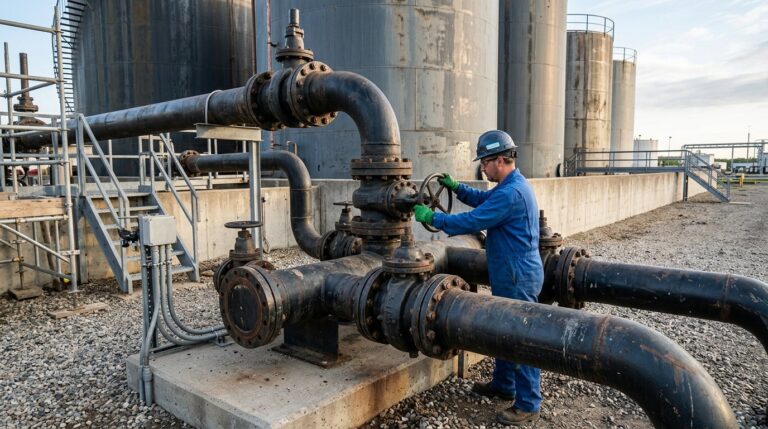
- Drain the Accumulated Water: Have trained personnel remove the water through the tank’s designated drainage system using approved equipment and established operating procedures.
- Inspect the Removed Material: Examine the drained water for sediment, sludge, and possible microbial contamination.
- Arrange Proper Disposal: Ensure contaminated water and sludge are handled and disposed of in accordance with applicable environmental regulations.
- Verify Fuel Quality: Conduct appropriate checks and testing before returning the tank to normal service.
Important safety consideration: Fuel tank drainage must be carried out by competent personnel using approved procedures. Appropriate fire protection, hazardous-area controls, and environmental precautions are essential. Tank entry should never be attempted without a formal confined-space entry programme.
How to Stop Microbial Growth in Fuel Tanks
Removing bottom water helps control microbial growth, but additional measures may be necessary where contamination has already developed.
The following practices can help:
- Regular Water Removal: Inspect tank bottoms routinely and remove accumulated water before it becomes a major problem.
- Use Approved Biocides: Where microbial contamination is confirmed, use a suitable fuel biocide approved for the application and follow the manufacturer’s instructions.
- Clean Contaminated Tanks: Severe contamination may require professional tank cleaning to remove sludge, microbial deposits, and other accumulated contaminants.
- Maintain Fuel Filtration Systems: Inspect and replace clogged filters to maintain proper fuel flow.
- Prevent Water Entry: Maintain tank roofs, seals, vents, manholes, and other openings to minimise water ingress.
- Conduct Regular Fuel Testing: Periodic fuel sampling and microbial testing can help identify contamination before it affects operations.
Biocide treatment should not replace proper water removal and tank cleaning where these are required.
Best Practices for Fuel Tank Maintenance
Effective fuel storage management requires continuous monitoring and preventive maintenance.
Tank operators should establish a maintenance programme that includes:
- Routine inspection of tank bottoms for water accumulation.
- Regular sampling and testing of stored petroleum products.
- Inspection of tank drainage valves and associated equipment.
- Monitoring of fuel filters for signs of contamination.
- Proper documentation of tank cleaning, water removal, and treatment activities.
- Periodic inspection of tank roofs, seals, and ventilation systems.
These practices help maintain fuel quality, reduce equipment damage, and minimise unexpected operational costs.
Conclusion
Water accumulation at the bottom of fuel storage tanks can create favourable conditions for microbial growth, particularly in diesel storage systems. If left untreated, microbial contamination can lead to sludge formation, blocked filters, fuel deterioration, and tank corrosion.
Regular water drainage, proper tank cleaning, appropriate biocide treatment, and routine fuel testing are essential to controlling these problems.
By implementing an effective fuel tank maintenance programme, petroleum storage operators can protect fuel quality, extend equipment life, reduce operational disruptions, and maintain safer and more reliable storage operations.